
Environmental Sustainability
ESG Technology Innovations,
Shaping a Sustainable Future
ADDA Corporation|The Authority in Cooling Solutions

Let's Search
Please enter keywords...
Website Design Copyright©2026 ADDA Corporation. All Rights Reserved.

Environmental Sustainability
ESG Technology Innovations,
Shaping a Sustainable Future
ADDA Corporation|The Authority in Cooling Solutions

Environmental Sustainability
ESG Technology Innovations,
Shaping a Sustainable Future
ADDA Corporation|The Authority in Cooling Solutions
01
02
SCROLL DOWN
Thermal ManagementSolution
ADDA Corporation Specializes in Thermal Management Technology, Delivering Energy-Efficient Products
Our fans feature dustproof and waterproof designs, passing rigorous salt spray tests to enhance durability and reduce costs. With professional expertise, we are committed to sustainable business practices.
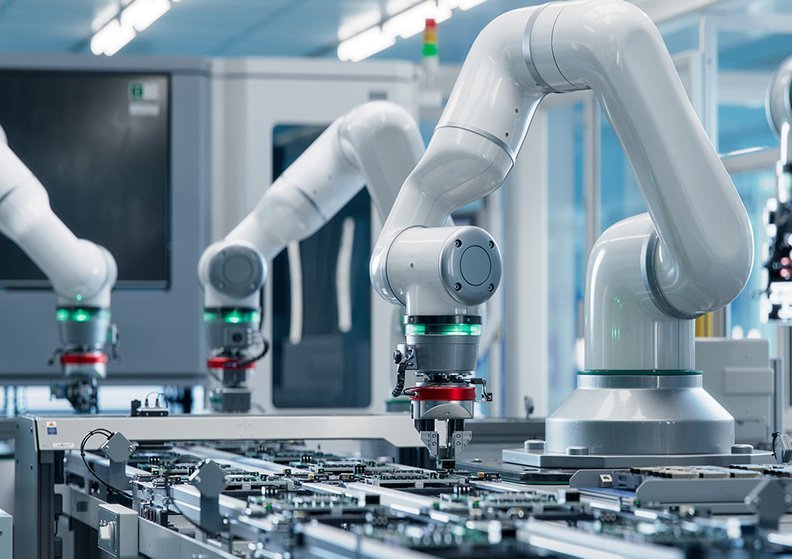

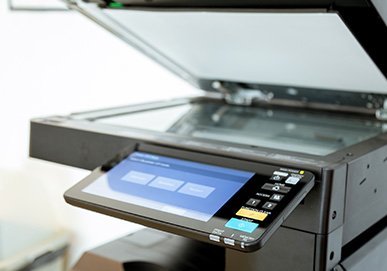


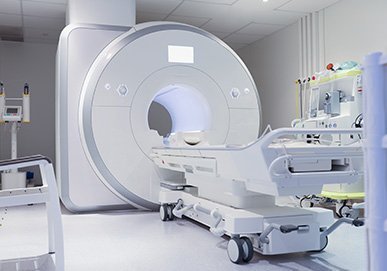



Automation Applications
Special Protective Series
Office Equipment
ICT Equipment
Smart Sensing
Smart Healthcare
Smart Home Appliances
Renewable Energy
Automotive Electronics
Cooling FansIntroduction
Versatile Dimensions to Suit Various Applications, with Customization Services Available
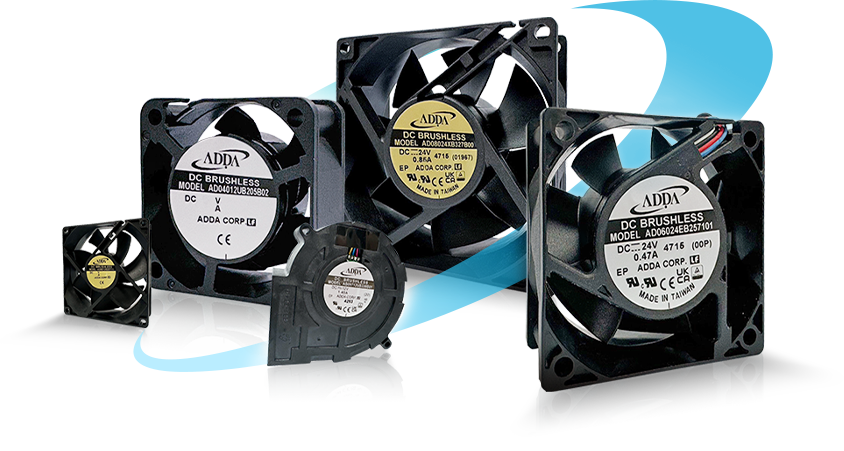
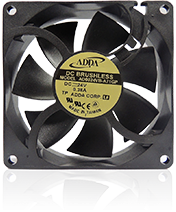
DC FAN
DC FAN
DC FAN
Size: 20mm ~ 172mm
Thichkness: 06mm ~ 51mm
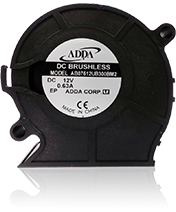
BLOWER
DC BLOWER FAN
DC BLOWER FAN
Size: 30mm ~ 120mm
Thichkness: 07mm ~ 33mm
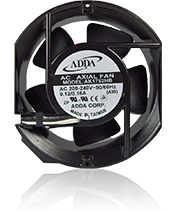
AC Fan
AC Fan
AC Fan
Size: 80mm ~ 280mm
Thichkness: 25mm ~ 89mm
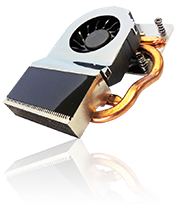
THERMAL SOLUTION
THERMAL SOLUTION / CHIP-COOLER / HEAT SINK
THERMAL SOLUTION / CHIP-COOLER / HEAT SINK
Size: 35mm ~ 50mm
Thichkness: 08mm ~ 10mm
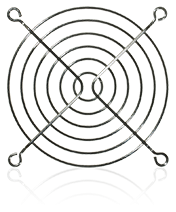
PERIPHERALS
PERIPHERALS
PERIPHERALS
Metal Finger Guard
Plastic Fillters 3-in-1
1|
4
Production Base
read more
100,000
Product Applications
read more
20~280
Model Dimensions
mm
read more
ADDA Corporation
Your Best Choice
read more
ABOUT ADDA
ADDA Corporation Leads the Industry in Electronic Thermal Management with 46 Years of Expertise With a state-of-the-art, self-owned factory spanning tens of thousands of square meters, we deliver stable and reliable production capacity. Guided by our vision of "Innovation and Leadership," ADDA continuously integrates R&D design, manufacturing technologies, and quality control. By uniting top-tier professional technical resources, we strive to build strong global competitiveness in manufacturing and sales.

Green Future, Sustainable Development
Implementing Low-Carbon Operations and Sustainable Energy Saving from the Product Perspective
Fully Adopting ISO-14064-1:2006 Greenhouse Gas Inventory, Certified by SGS
NEWS CENTER
09
2026/Jul
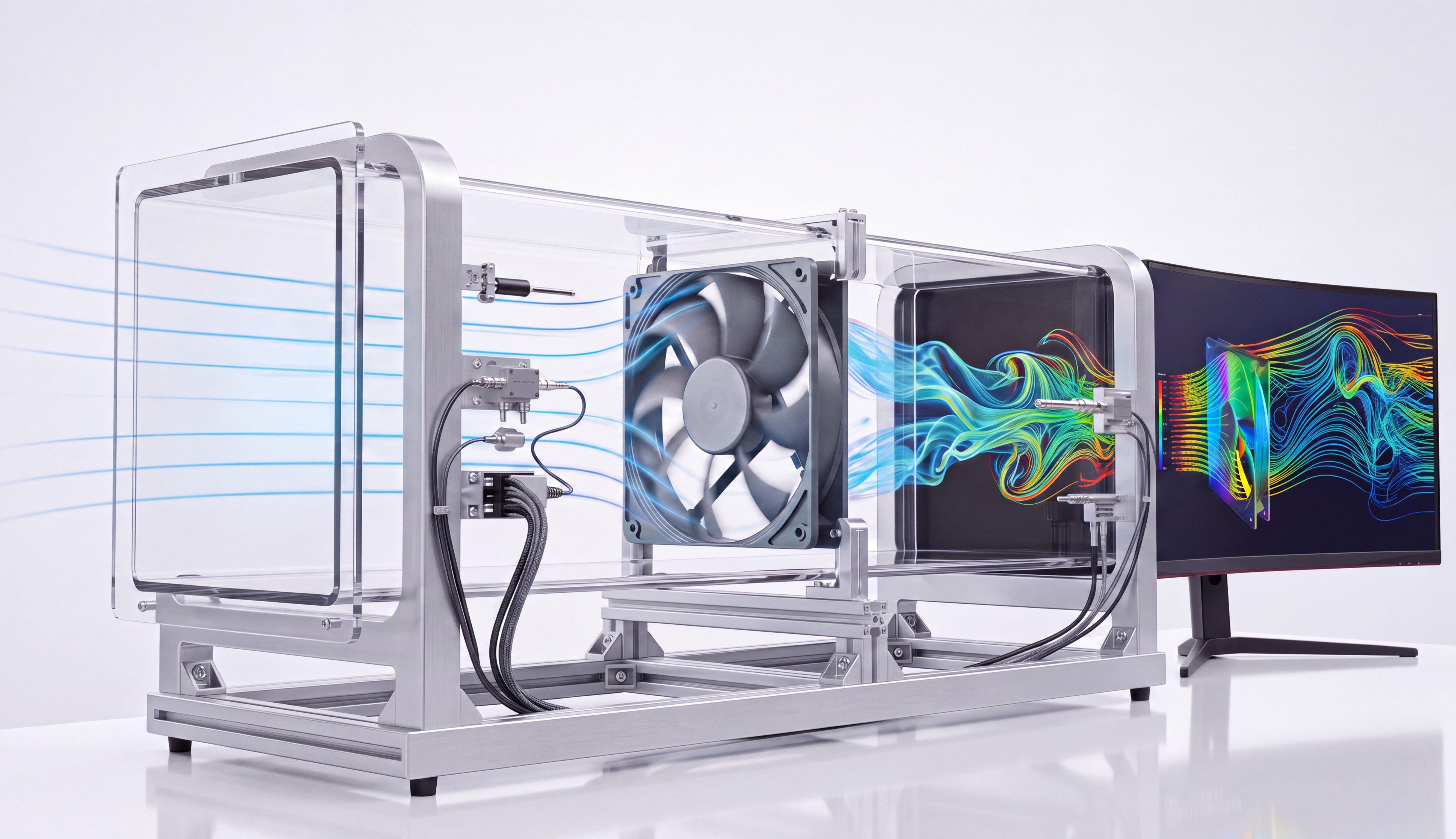
Airflow vs. Static Pressure: A Complete Guide to Fan PQ Curves & Selection
Learn how airflow, static pressure, and fan PQ curves determine the operating point. Explore a 5-step industrial fan selection guide, from CFD system modeling to AMCA 210 wind tunnel testing.
09
2026/Jul
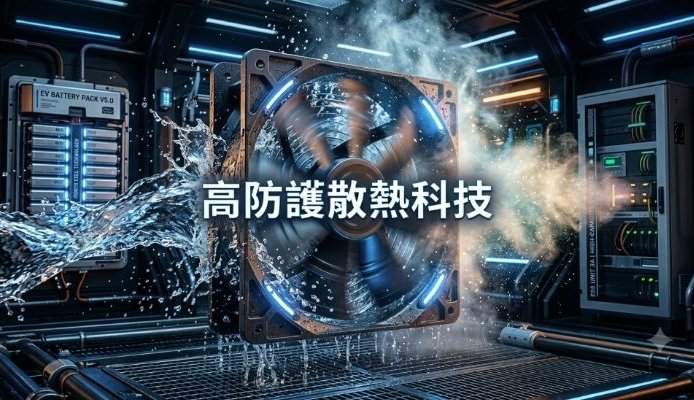
High-Protection Cooling Fans Explained: GR-487 and IP68 for Extreme-Environment Reliability
ADDA Corporation | Explore the core technologies behind high-protection cooling fans, including GR-487 compliance, IP68-rated water and dust protection, and high-temperature-resistant designs. Learn how advanced conformal coating and potting technologies improve equipment reliability and reduce maintenance costs across industrial CNC machinery, energy storage systems, and automotive applications.
09
2026/Jul
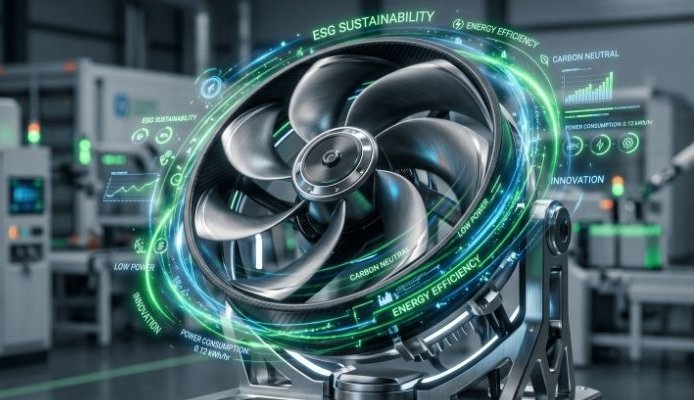
ESG Sustainability and Energy-Efficiency Guide: Future-Ready Cooling Solutions for Energy Storage, Extended Service Life, and Low Power Consumption
ADDA ESG Cooling Solutions: Achieve sustainability and energy-efficiency goals with low-power, long-life cooling fans. Backed by international environmental certifications and proven carbon-reduction results, ADDA integrates advanced energy storage cooling technologies to deliver high-efficiency thermal management for industrial automation and server applications.
09
2026/Jul
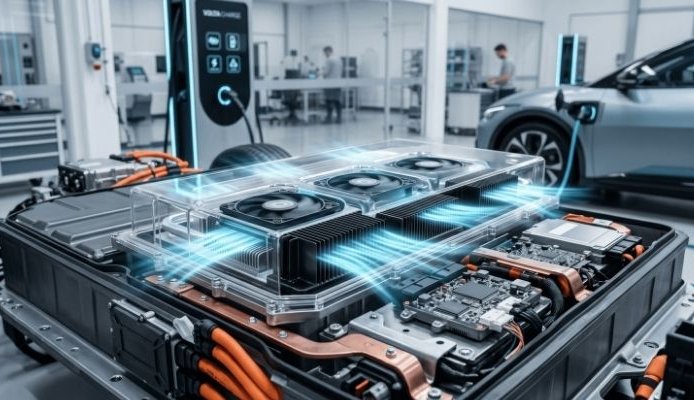
EV Thermal Management Solutions for Automotive Electronics, EV Charging Systems, and In-Vehicle Applications
As AI-driven vehicles, high-voltage power electronics, and EV charging infrastructure become more powerful, thermal management is emerging as a key factor in system reliability and performance. This article examines best practices for cooling automotive electronics, EV charging systems, and in-vehicle applications, while exploring the latest trends in low-noise cooling fans, ruggedized thermal design, and next-generation thermal management technologies for electric mobility.
09
2026/Jul
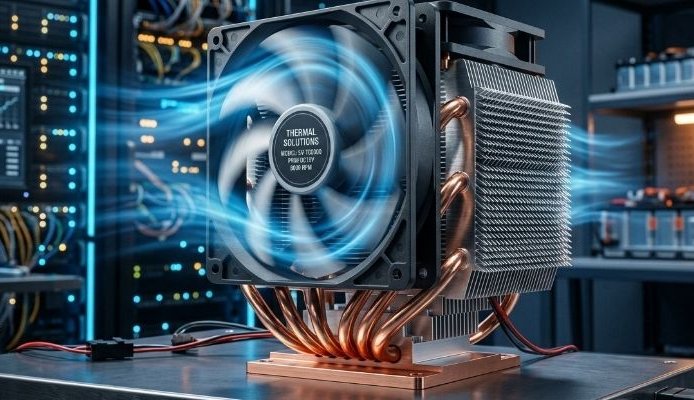
Cooling Fan OEM Manufacturing & Customized Thermal Solutions for AI Servers and Electric Vehicles
Looking for a reliable cooling fan OEM partner? ADDA delivers automotive-grade ODM/OEM customized thermal solutions by integrating high-performance cooling fans, heat pipes, and precision-engineered heatsinks. Backed by R&D in Taiwan and high-volume manufacturing in Vietnam, we help shorten development cycles and meet the demanding thermal requirements of AI servers, data centers, and electric vehicles. Contact our thermal engineering experts today.
16
2026/Jun
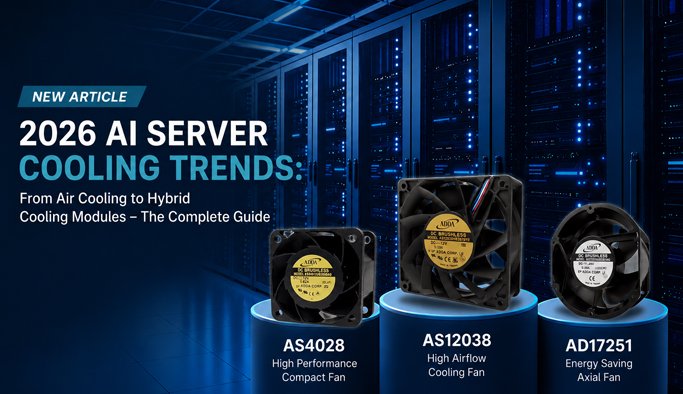
2026 AI Server Cooling Trends: From Air Cooling to Hybrid Thermal Modules
2026 AI Server and Data Center Cooling Solutions As AI computing demands continue to grow, hybrid cooling is becoming a key solution for next-generation data centers. By combining air cooling and liquid cooling, ADDA helps optimize thermal performance for high-density AI servers and advanced computing systems. Through the integration of high static pressure fans, advanced thermal modules, cold plates, and CDUs, ADDA provides reliable cooling solutions designed to support higher performance, greater efficiency, and long-term system stability.

07
2025/Nov
ADDA Supports Vulnerable Youth Through Ongoing Care — A Heartwarming Reunion Event

19
2021/Feb
United Motor X Yunlin Family Support Center - Spreading Love Without Limits

01
2022/Oct
Counterfeit Product Alert Statement – Xie Xi Electric Machinery

30
2024/Oct
2023_ADDA_ESG_Report
01
2026/07/09
Airflow vs. Static Pressure: A Complete Guide to Fan PQ Curves & Selection
Learn how airflow, static pressure, and fan PQ curves determine the operating point. Explore a 5-step industrial fan selection guide, from CFD system modeling to AMCA 210 wind tunnel testing.
2026/07/09
High-Protection Cooling Fans Explained: GR-487 and IP68 for Extreme-Environment Reliability
ADDA Corporation | Explore the core technologies behind high-protection cooling fans, including GR-487 compliance, IP68-rated water and dust protection, and high-temperature-resistant designs. Learn how advanced conformal coating and potting technologies improve equipment reliability and reduce maintenance costs across industrial CNC machinery, energy storage systems, and automotive applications.
2026/07/09
ESG Sustainability and Energy-Efficiency Guide: Future-Ready Cooling Solutions for Energy Storage, Extended Service Life, and Low Power Consumption
ADDA ESG Cooling Solutions: Achieve sustainability and energy-efficiency goals with low-power, long-life cooling fans. Backed by international environmental certifications and proven carbon-reduction results, ADDA integrates advanced energy storage cooling technologies to deliver high-efficiency thermal management for industrial automation and server applications.
2026/07/09
EV Thermal Management Solutions for Automotive Electronics, EV Charging Systems, and In-Vehicle Applications
As AI-driven vehicles, high-voltage power electronics, and EV charging infrastructure become more powerful, thermal management is emerging as a key factor in system reliability and performance. This article examines best practices for cooling automotive electronics, EV charging systems, and in-vehicle applications, while exploring the latest trends in low-noise cooling fans, ruggedized thermal design, and next-generation thermal management technologies for electric mobility.
2026/07/09
Cooling Fan OEM Manufacturing & Customized Thermal Solutions for AI Servers and Electric Vehicles
Looking for a reliable cooling fan OEM partner? ADDA delivers automotive-grade ODM/OEM customized thermal solutions by integrating high-performance cooling fans, heat pipes, and precision-engineered heatsinks. Backed by R&D in Taiwan and high-volume manufacturing in Vietnam, we help shorten development cycles and meet the demanding thermal requirements of AI servers, data centers, and electric vehicles. Contact our thermal engineering experts today.
2026/06/16
2026 AI Server Cooling Trends: From Air Cooling to Hybrid Thermal Modules
2026 AI Server and Data Center Cooling Solutions As AI computing demands continue to grow, hybrid cooling is becoming a key solution for next-generation data centers. By combining air cooling and liquid cooling, ADDA helps optimize thermal performance for high-density AI servers and advanced computing systems. Through the integration of high static pressure fans, advanced thermal modules, cold plates, and CDUs, ADDA provides reliable cooling solutions designed to support higher performance, greater efficiency, and long-term system stability.
2025/11/07
ADDA Supports Vulnerable Youth Through Ongoing Care — A Heartwarming Reunion Event
2021/02/19
United Motor X Yunlin Family Support Center - Spreading Love Without Limits
2022/10/01
Counterfeit Product Alert Statement – Xie Xi Electric Machinery
2024/10/30
2023_ADDA_ESG_Report
VIEW MOREIn compliance with EU personal data protection laws, we are committed to protecting and providing you with control over your personal data. By clicking "Accept All", you allow us to place cookies to enhance your experience on this site, help us analyze site performance and usage, and enable us to deliver relevant marketing content. You can manage your cookie settings below. By clicking "Agree" you agree to the current settings. For more information, please visit the Privacy Statement.
This website uses cookies
In compliance with EU personal data protection laws, we are committed to protecting your personal data and providing you with control over it. By clicking "Agree", you allow us to place cookies to improve your experience on this site, help us analyze site performance and usage, and allow us to deliver relevant marketing content.
By clicking "Only necessary" you allow us to place only necessary cookies. The website cannot function without these cookies and you cannot switch them off on your system. These cookies are typically set only in response to an action you perform (i.e. a service request), such as setting privacy preferences, logging in, or filling in a form. You can set your browser to block or prompt you for these cookies, but this may prevent some site features from working.